

Garlic and Blood Pressure: A Natural Ally or Just a Myth?
Garlic — the kitchen staple, ancient remedy, and cultural icon — has long been celebrated for its health benefits. But when it comes to blood pressure, does this pungent bulb truly hold the secret to a healthier heart? Or is it just another myth in the vast world of natural remedies? Let’s peel back the layers of science, history, and practical application to find out.
The Historical Roots of Garlic in Heart Health
Garlic’s reputation as a heart protector dates back thousands of years. Ancient civilizations, from the Egyptians to the Greeks, used garlic not only as a culinary ingredient but also as a medicinal herb. Records from Egyptian papyri suggest that garlic was administered to workers building the pyramids to boost stamina and prevent illness. Fast forward to the 19th century, and garlic was a common folk remedy for a range of ailments, including hypertension.
The Science Behind Garlic’s Effect on Blood Pressure
Modern research has begun to shed light on how garlic influences blood pressure. The key lies in a compound called allicin, which is released when garlic is chopped or crushed. Allicin is known for its antioxidant and vasodilatory properties, meaning it helps relax blood vessels and improve blood flow. Several clinical trials have demonstrated that garlic supplements can reduce systolic and diastolic blood pressure, especially in people with hypertension.
Research Highlights
- A 2013 meta-analysis published in the Journal of Clinical Hypertension found that garlic supplementation resulted in a significant reduction in blood pressure, comparable to low-dose antihypertensive drugs.
- In a study published in the European Journal of Clinical Nutrition, participants taking garlic supplements experienced an average systolic blood pressure decrease of 8 mm Hg.
However, it’s important to note that garlic isn’t a magic bullet. Its effects are most pronounced when combined with a healthy diet, regular exercise, and other lifestyle modifications. For those interested in adding garlic to their routine, garlic supplements can be a convenient option, especially for those who dislike the taste or smell of raw garlic.
Cultural and Lifestyle Perspectives
Across cultures, garlic’s role in promoting heart health is celebrated. In Mediterranean countries, garlic is a staple in dishes like hummus, roasted vegetables, and seafood, all of which contribute to a heart-friendly diet. In traditional Chinese medicine, garlic is used to invigorate the blood and improve circulation.
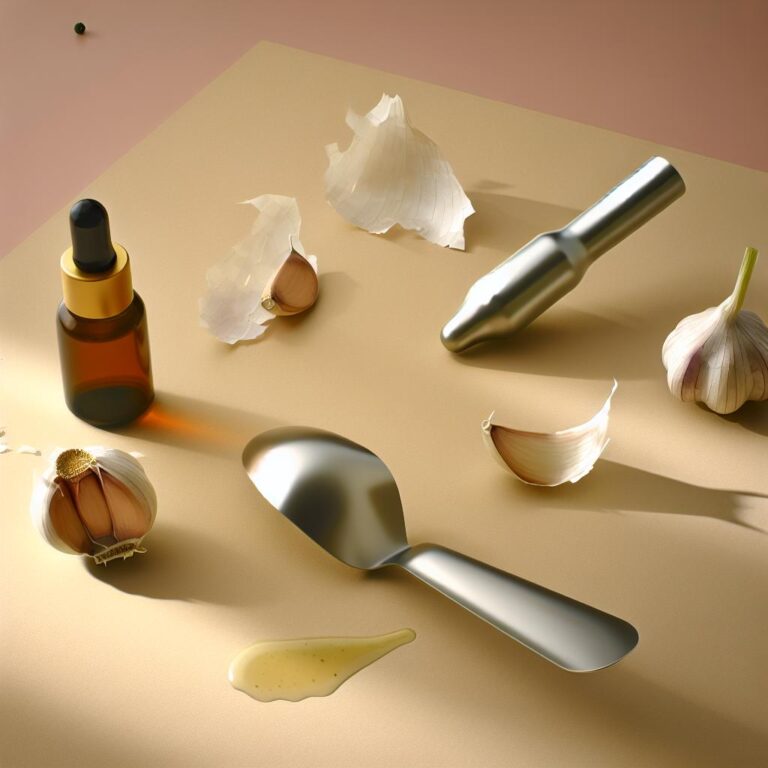
In the UK, home cooks are increasingly experimenting with garlic oils and roasted cloves to enhance flavour while reaping potential health benefits. Practical tools like garlic presses and garlic tools make preparing garlic easier and more efficient, encouraging more frequent use.
Practical Tips for Incorporating Garlic into Your Routine
Want to harness garlic’s potential for blood pressure management? Here are some tips:
- Crush or chop garlic and let it sit for 10 minutes before cooking to maximise allicin release.
- Add raw garlic to salads, dressings, or dips for an extra health boost.
- Use roasted garlic in soups and spreads for a milder, sweeter flavour.
For those seeking convenience, garlic supplements can be a practical addition, especially if you’re on a busy schedule or dislike the pungency of fresh garlic.
The Surprising Power of This Humble Bulb
While garlic isn’t a substitute for prescribed medication, its role as a natural adjunct in maintaining healthy blood pressure is promising. Its rich history, cultural significance, and scientific backing make it a fascinating subject for anyone passionate about natural health and culinary exploration. As we continue to uncover garlic’s secrets, one thing remains clear — sometimes, the simplest ingredients hold the most profound power.
So next time you crush a clove, remember: you might just be doing your heart a favour, one bite at a time.