

The Hidden History of Garlic: From Ancient Rituals to Modern Wellness
Garlic isn’t just a kitchen staple or a health booster; it’s a symbol woven into the fabric of human history. From ancient Egyptian embalming rituals to modern-day supplements, garlic’s journey is as rich and layered as its flavour. But how did this humble bulb become a global icon of health, culture, and tradition? Let’s peel back the layers of history and explore the captivating story of garlic’s enduring legacy.
Ancient Beginnings: A Sacred Plant
Garlic’s roots stretch back over 6,000 years to ancient Mesopotamia, where it was revered not only as food but as a sacred offering. The Egyptians, including Pharaohs like Tutankhamun, valued garlic for its supposed divine powers and medicinal properties. Archaeological finds reveal that garlic was placed in tombs, symbolising vitality and protection in the afterlife. Its significance extended to Greek and Roman cultures, where athletes consumed garlic for strength and warriors used it to boost courage before battle.
Garlic in Cultural Rituals and Traditions
Throughout history, garlic has been associated with protection against evil spirits and disease. In medieval Europe, villagers believed garlic could ward off vampires and other malevolent entities. In Asia, garlic has long been a staple in traditional medicine, used to treat everything from respiratory issues to digestive problems. Its cultural importance persists today, with many communities still honouring garlic in festivals, rituals, and culinary practices.
Science Meets Tradition: The Health Connection
Modern science has begun to validate many of garlic’s traditional uses. Compounds like allicin, which forms when garlic is chopped or crushed, have potent antimicrobial and anti-inflammatory effects. Studies suggest that regular garlic consumption can support immune health, lower blood pressure, and even reduce the risk of cardiovascular disease. Interestingly, research also indicates that garlic’s bioactive compounds may influence gene expression related to inflammation and immunity, bridging the gap between ancient wisdom and contemporary science.
Garlic’s Cultural Revival in the Modern Kitchen
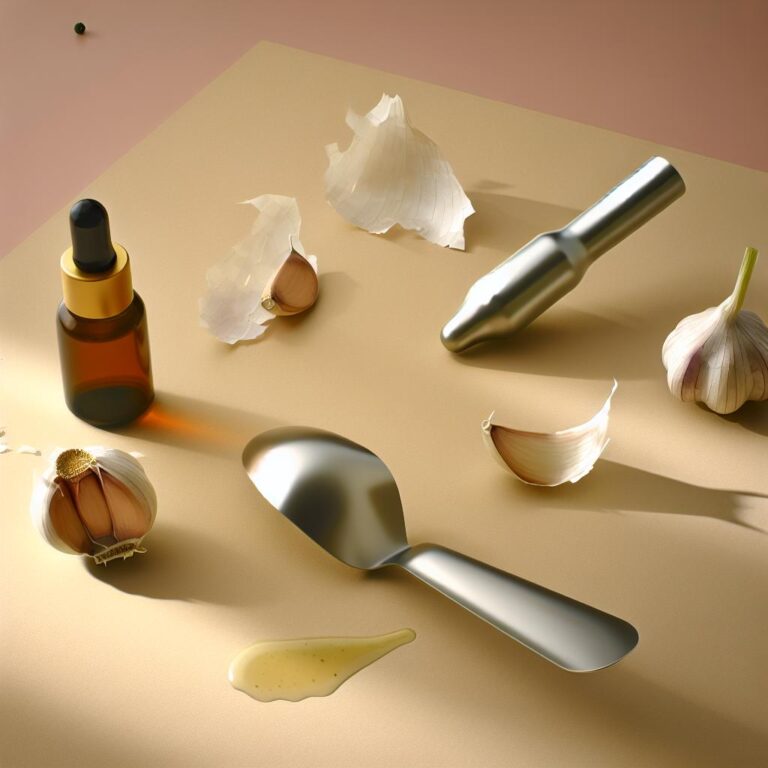
Today, garlic’s popularity is at an all-time high, not just for health but for flavour. From the bustling markets of London to home kitchens across the UK, garlic is celebrated for its versatility. Chefs and home cooks alike press and chop garlic using innovative garlic presses and peel it effortlessly with garlic tools. Proper storage in garlic keepers ensures freshness, while garlic oils add depth to dishes. Incorporating garlic into daily routines continues to connect us with centuries of tradition and shared human experience.
Looking Ahead: Garlic’s Future in Wellness and Culture
As we embrace holistic health and sustainable living, garlic’s cultural and medicinal significance is poised to grow. Innovative garlic supplements are making it easier for health-conscious consumers to enjoy its benefits, while ongoing research explores its potential in combating antibiotic resistance and chronic diseases. The story of garlic is far from over; it remains a symbol of resilience, health, and cultural identity—proof that sometimes, the simplest ingredients hold the most profound stories.
Whether you’re a passionate home cook, a health enthusiast, or a history buff, exploring garlic’s past enriches our appreciation of this extraordinary plant. Dive into our range of garlic gift sets and tools to celebrate its legacy in your own kitchen. After all, understanding garlic’s history reminds us that sometimes, the most ancient ingredients are the most revolutionary.