








For Serving (Optional)

Boil the first batch of potatoes (700g) in their skins in salted water until tender. Once cooled, peel and press them through a potato ricer or grate them finely. For the second batch, peel the raw potatoes (1kg) and grate them on the finest side of your grater. Place the grated raw potatoes in a cloth and squeeze out as much liquid as possible. Important: Reserve the squeezed-out potato water (starch and all) for later.
In a pan, melt half of the lard or oil and sauté the finely chopped onions until golden. Add the ground smoked meat and cook for another 5-7 minutes. Set aside to cool slightly.
In a large bowl, combine the cooked, riced potatoes and the squeezed raw potatoes. Add the cooked meat and onion mixture, the minced garlic, egg, marjoram, salt, and pepper. Gradually add the flour to form a firm but pliable dough. The amount of flour may vary depending on the starchiness of your potatoes.
With floured hands, take a portion of the dough and form it into large balls, roughly the size of your palm. Roll each dumpling in a light coating of all-purpose flour.
Bring a large pot of salted water to a boil. Pour in the reserved potato water/starch from step 1; this helps prevent the dumplings from falling apart. Carefully place the dumplings into the boiling water, ensuring not to overcrowd the pot. Cook in batches if necessary. Once the dumplings float to the surface, continue to cook them for another 7-10 minutes.
While the dumplings are cooking, melt the remaining lard in a pan and fry the diced bacon until crispy. If desired, you can also fry sliced onions in the same pan. Serve the hot dumplings immediately, topped with the crispy bacon, fried onions, and a generous dollop of sour cream. They are also traditionally served with heated sauerkraut on the side.



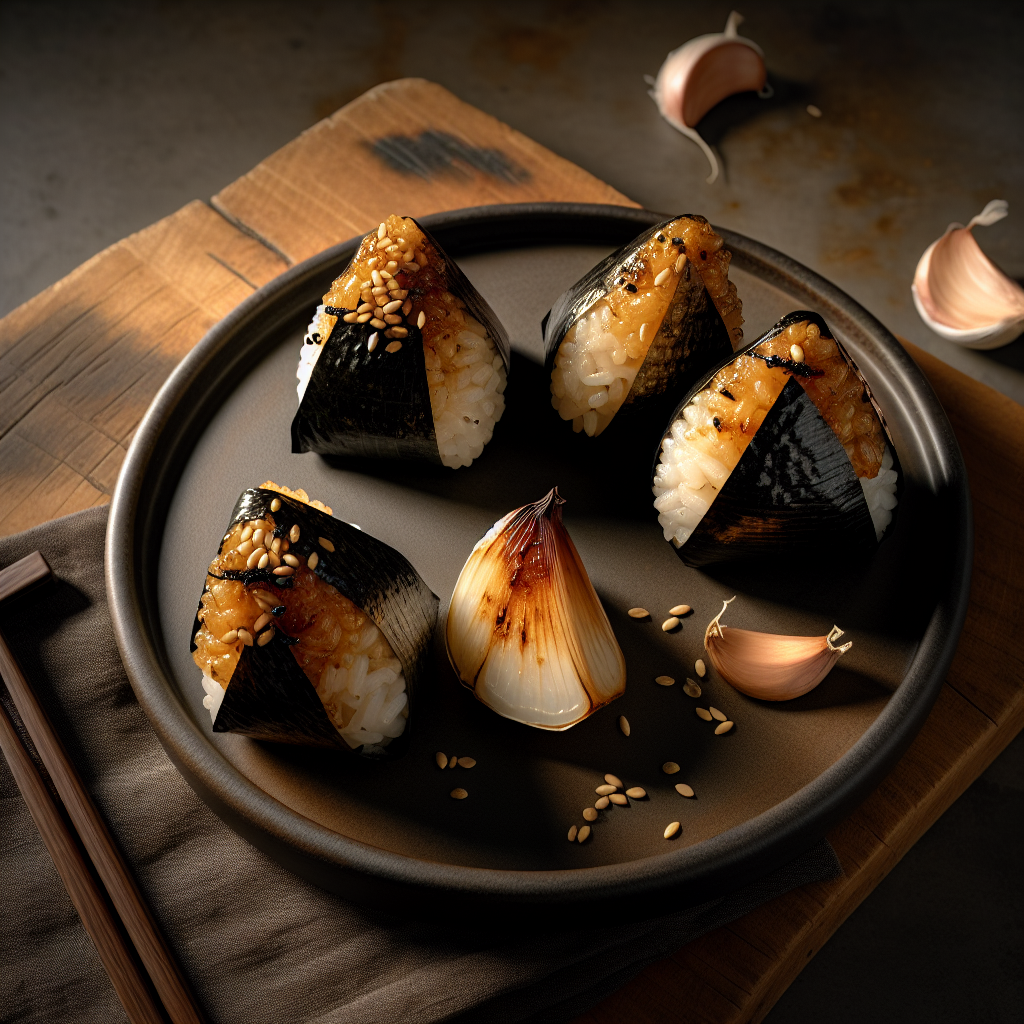
Preheat oven to 400°F (200°C). Slice the tops off garlic heads to expose the cloves, drizzle with olive oil, wrap each head in foil and roast 35–40 minutes until soft and caramelized.
Rinse the rice under cold water until the water runs clear, drain, then cook with 2 1/4 cups water in a rice cooker or covered pot until tender; let rest 10 minutes and fluff with a rice paddle, then stir in salt.
When the garlic is cool enough to handle, squeeze the roasted cloves into a bowl and mash with a fork until smooth; stir in 1/2 tablespoon softened butter and a pinch of salt to make a silky paste.
Wet your hands to prevent sticking, divide rice into 4 portions, flatten each portion, place a spoonful of garlic mash in the center, enclose and shape into triangles or rounds; melt butter in a small pan, add soy, mirin and sugar to make the glaze, brush the outside of each onigiri with glaze and grill or pan-sear over medium heat until the surface is caramelized and lightly crisp.
Sprinkle with toasted sesame seeds and nori strips, garnish with scallions if using, and enjoy warm as a portable snack or part of a meal.
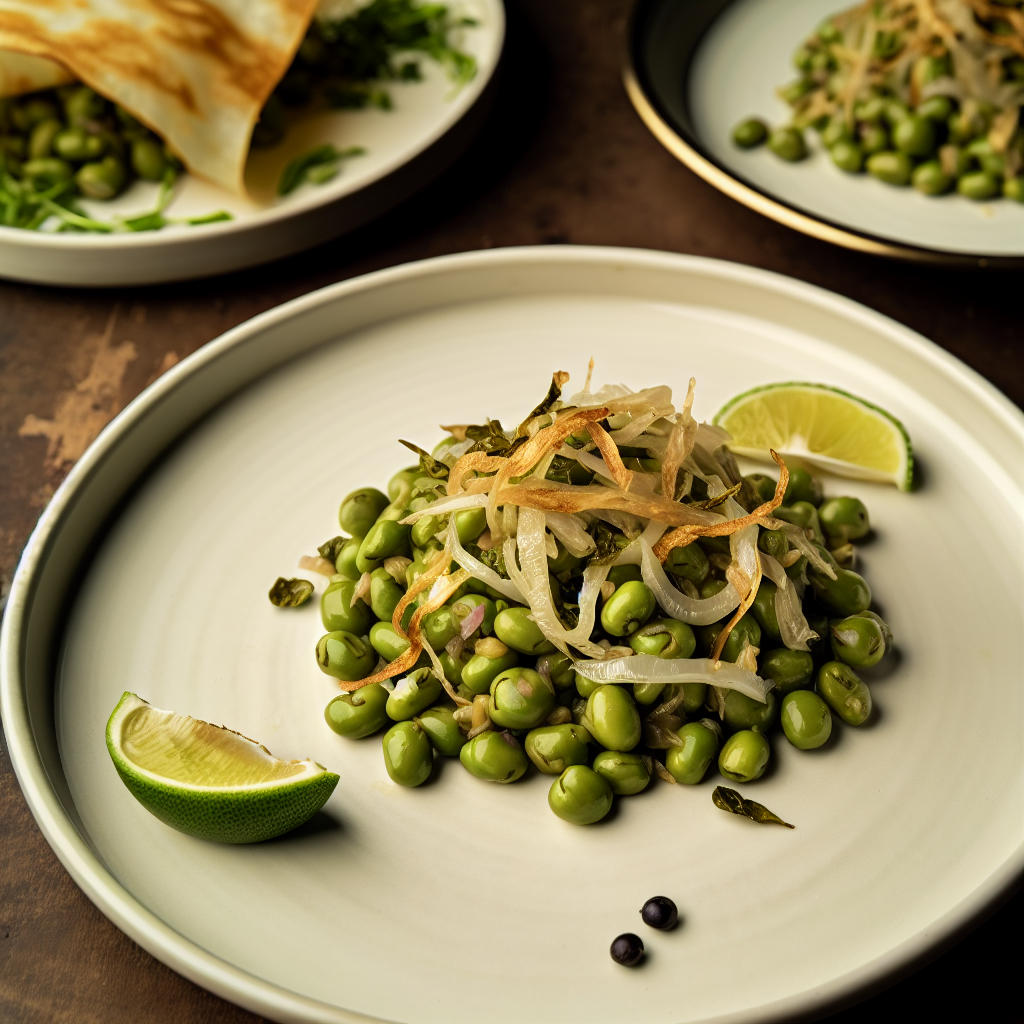
Rinse the sprouted mung thoroughly under cold water and drain well; if sprouts are long, chop them slightly for even cooking.
Grate the coconut or pulse coarsely in a blender and set aside; slice the garlic, onion and green chilies.
Heat the oil in a wide skillet over medium heat; add mustard seeds and wait until they pop, then add urad dal if using and curry leaves and fry briefly.
Add the sliced garlic and sauté until golden and fragrant, then add the onion and green chilies and cook until the onion turns translucent.
Add the drained sprouts, turmeric and salt; toss to coat, add a splash of water, cover and cook over low heat for 6–8 minutes until tender yet still slightly crisp.
Stir in the grated coconut and cook uncovered for 2 minutes to marry flavors, then remove from heat and squeeze in lemon juice.
Transfer to a serving bowl, scatter chopped coriander, and enjoy warm as a vegan coastal-side with rice, dosa, or flatbreads.
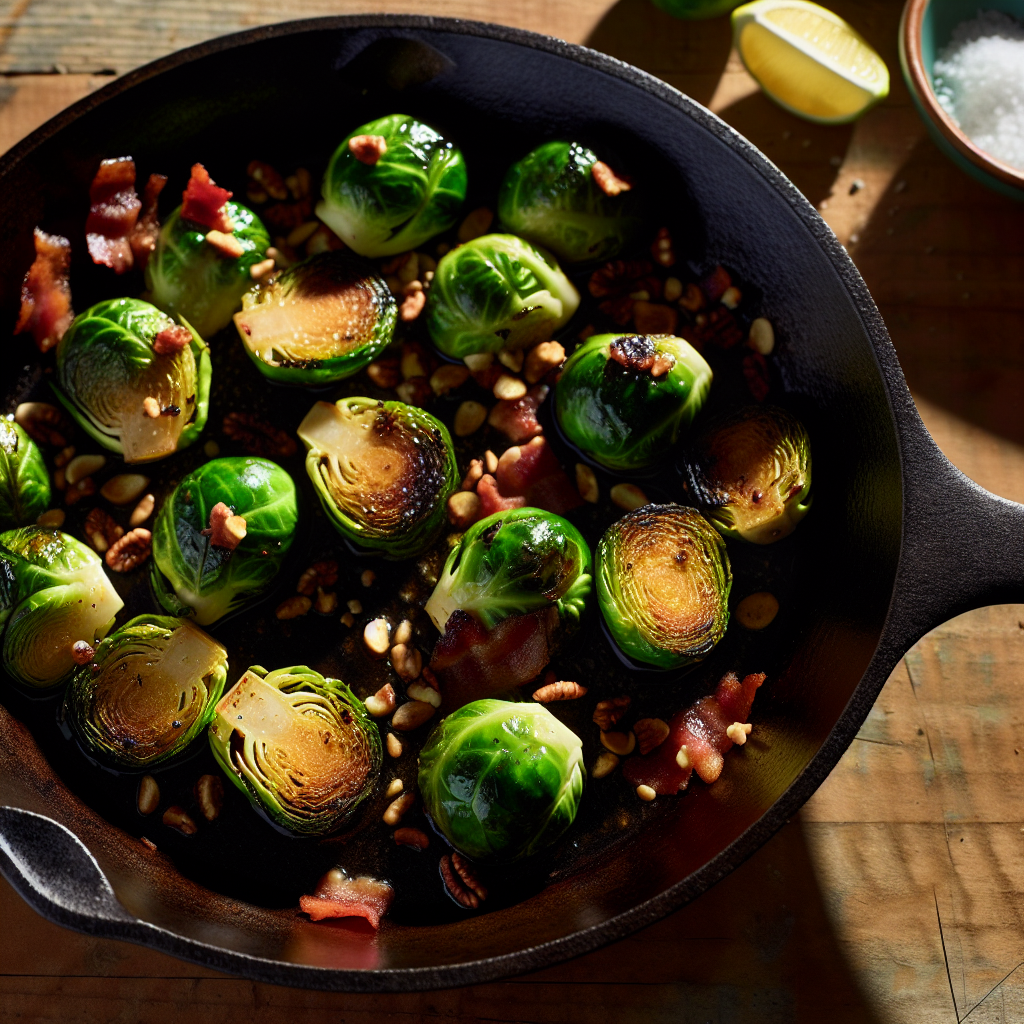
Preheat oven to 425°F (220°C). Trim and halve the brussels sprouts and pat dry.
In a large ovenproof skillet over medium heat, add chopped bacon and cook until crisp; remove with a slotted spoon leaving about 1 tablespoon fat in the pan, add olive oil if needed, then add minced garlic and sauté 30 seconds until fragrant.
Lower heat slightly and stir in maple syrup, bourbon, butter, salt, and pepper; simmer 1–2 minutes until glossy and slightly reduced.
Return the bacon to the skillet, toss sprouts to coat in glaze, arrange cut-side down, then transfer skillet to the oven and roast 18–22 minutes until deeply caramelized and tender, stirring once halfway through.
Remove from oven, toss with toasted pecans and lemon juice, adjust seasoning to taste, and serve hot straight from the skillet—perfect on Garlic Shop's table.
Wrap the tofu block in paper towels or a clean kitchen towel and set a weight on top for 15 minutes to expel excess water.
Heat oil in a small saucepan over medium heat; when shimmering, add the thinly sliced garlic in a single layer and fry until golden and crisp, about 1–2 minutes, stirring constantly to prevent burning; transfer to paper towels and season with a pinch of salt.
In a small saucepan combine the kombu dashi, soy sauce, mirin, and rice vinegar; warm gently to meld flavors and keep hot.
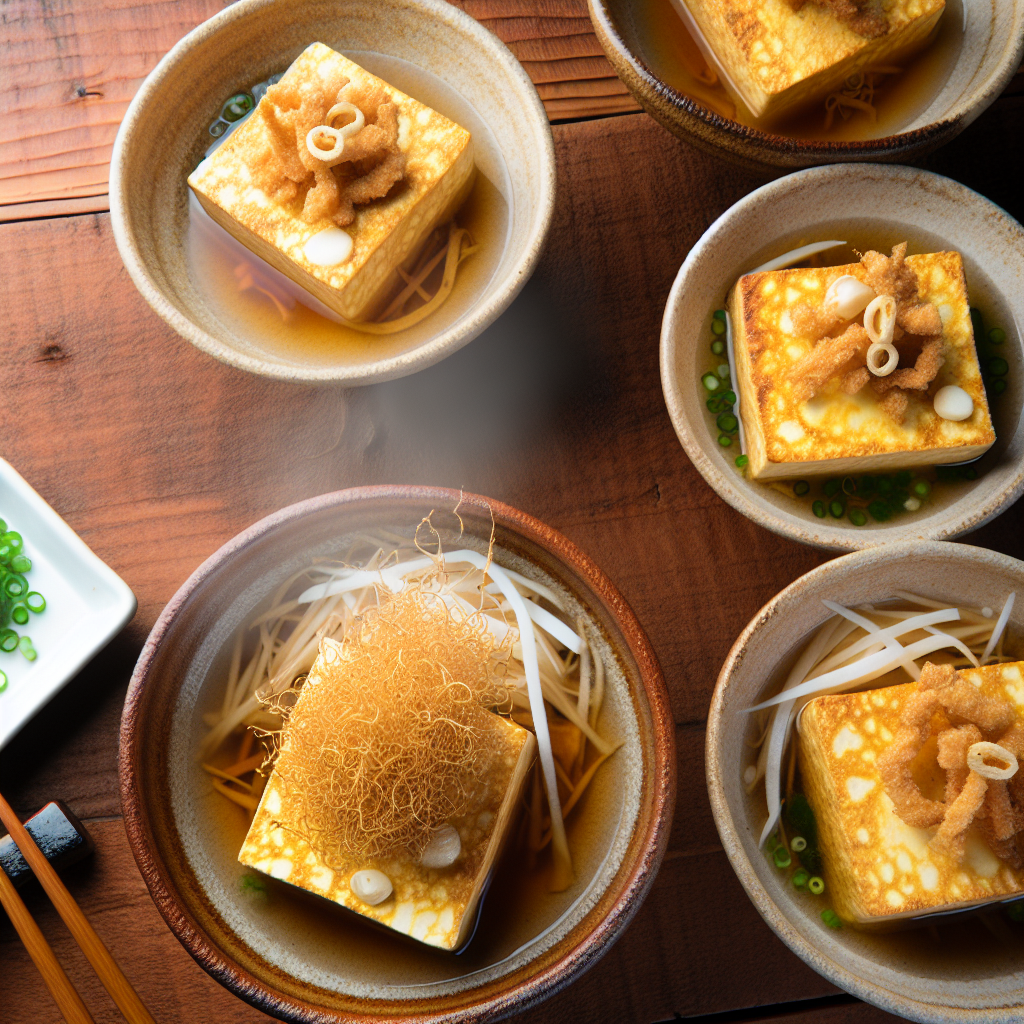
Cut the pressed tofu into 1-inch cubes, pat dry, dust lightly with potato starch; heat 1/4 inch of oil in a skillet over medium-high heat and fry the tofu until golden and crisp on all sides, about 3–4 minutes per side; drain on paper towels.
Place fried tofu on plates, spoon warmed dashi-ponzu over each portion, top with grated daikon, green onion, and a generous scattering of crispy garlic chips and sesame seeds.
Serve immediately while piping hot for contrast of silky interior and crisp garlic, offering extra ponzu on the side for dipping.
Trim the stems and halve the eggplants lengthwise, then score the flesh in a diamond pattern without cutting through the skin so flavors penetrate easily.
In a small bowl combine the softened butter, white miso, minced garlic, mirin, sugar, and a pinch of salt; stir until smooth and spreadable.
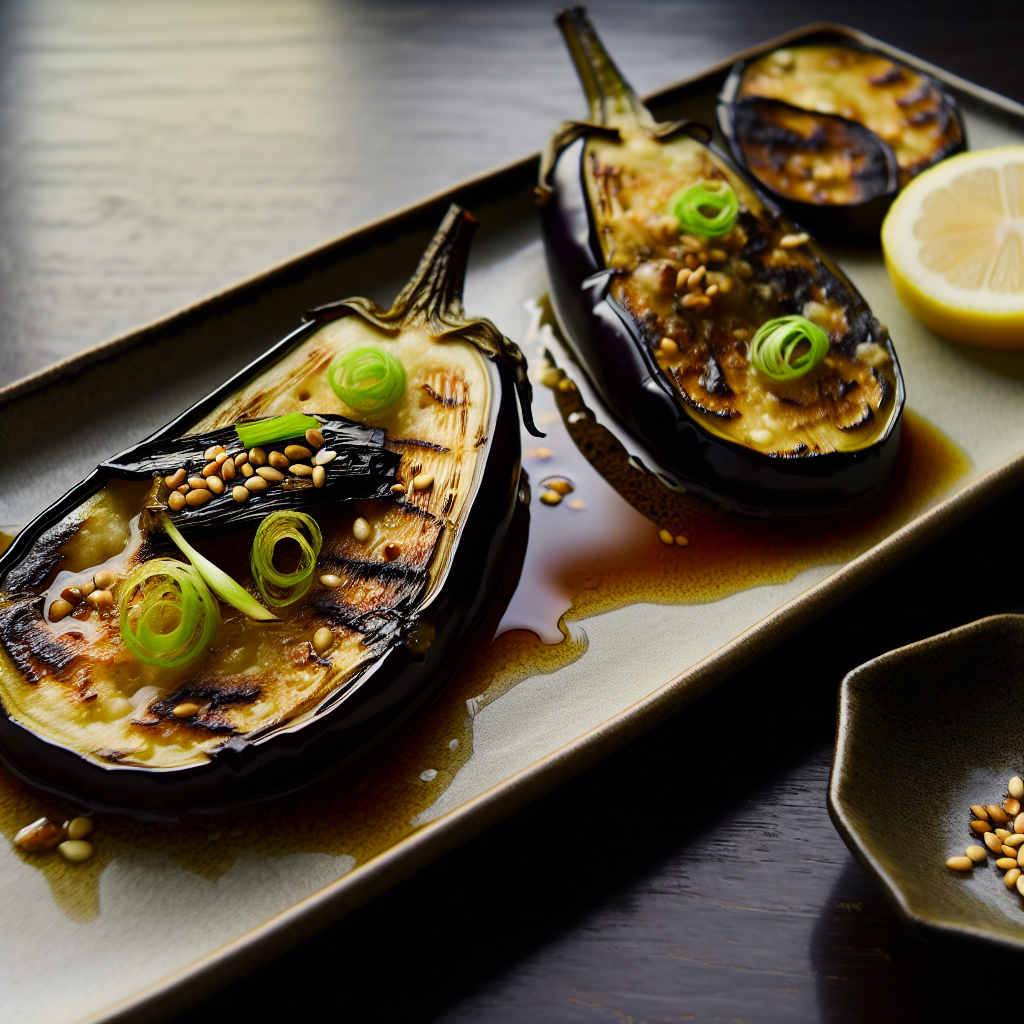
Heat a large heavy skillet or grill pan over medium-high heat until it smokes slightly; brush the eggplant flesh with vegetable oil and place cut-side down, pressing to maximize contact; cook 4–6 minutes until deeply charred, then flip and sear the skin side 1–2 minutes.
Reduce heat to medium, spread a generous tablespoon of miso-garlic butter over each eggplant half and let it melt and caramelize, spooning the butter over the flesh until glossy and warmed through; add a splash of soy sauce if you like more saltiness.
Transfer eggplants to a serving plate, sprinkle with toasted sesame seeds, sliced shiso and scallion, and serve with a lemon wedge for brightness.
Best eaten hot as a vegetarian main or izakaya-style side with steamed rice; refrigerate leftovers in an airtight container for up to 2 days.
Toast saffron threads lightly in a dry pan for 20 seconds, cover with 2 tbsp warm water and let bloom for 5 minutes, then mash or blend with the grated garlic, melted samneh, and a pinch of salt until a smooth, fragrant paste forms.
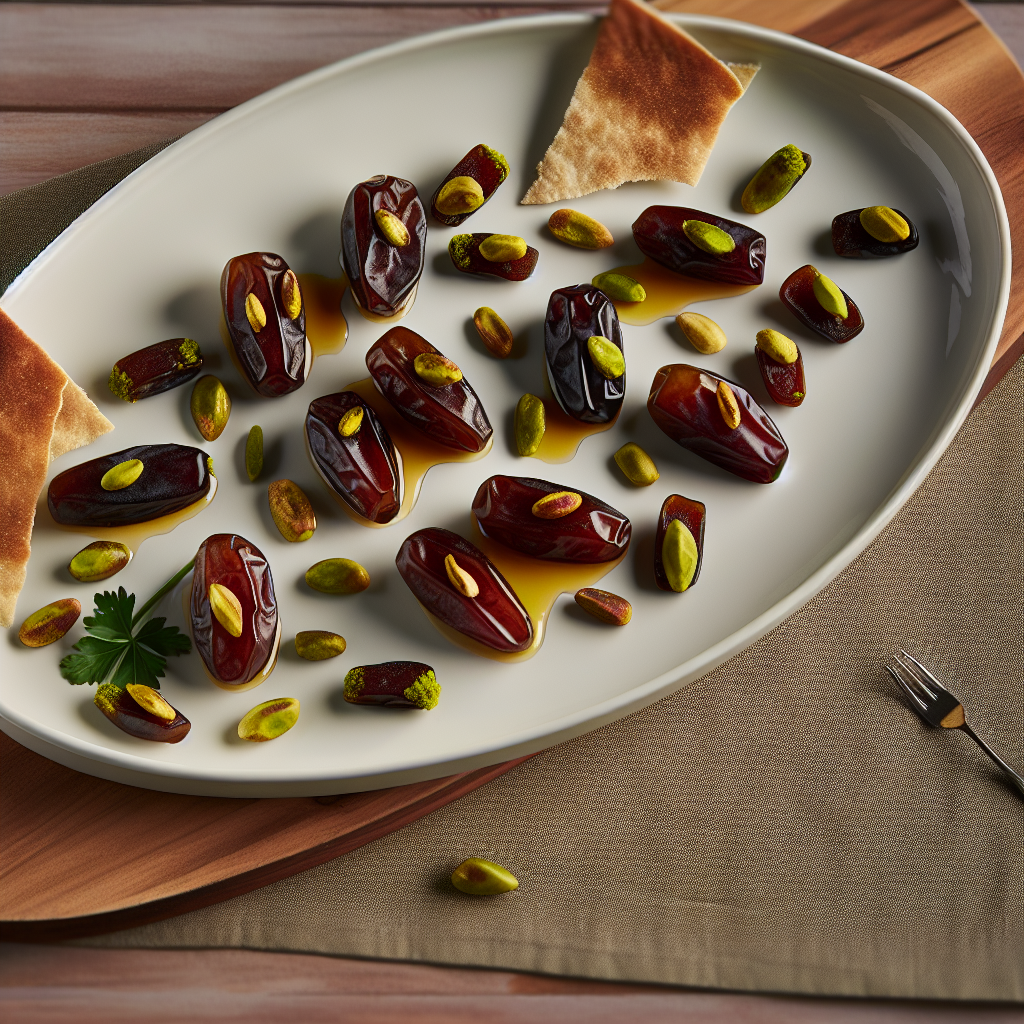
Heat olive oil in a skillet over medium heat, add the halved dates cut-side down and sprinkle with cardamom and lemon zest; cook 2–3 minutes until glossy and slightly softened, turning once.
Spoon the garlic-saffron paste into the pan with the dates and gently toss to coat for 1 minute—the oil will carry the aroma without overwhelming the dates; remove from heat before the paste browns.
In a small dry skillet toast the pistachios over medium heat for 2–3 minutes until aromatic and slightly darkened, then chop roughly.
Arrange the warm, glazed dates on a serving platter, drizzle with a little fresh lemon juice and honey if using, scatter the toasted pistachios and parsley leaves over the top.
Offer warm or at room temperature as a starter or meze; provide small forks or toothpicks and crusty flatbread to scoop up the garlicky, saffron-scented bite.